Gas Chromatography
Gas Chromatography
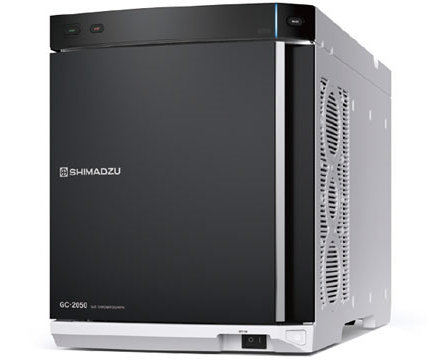
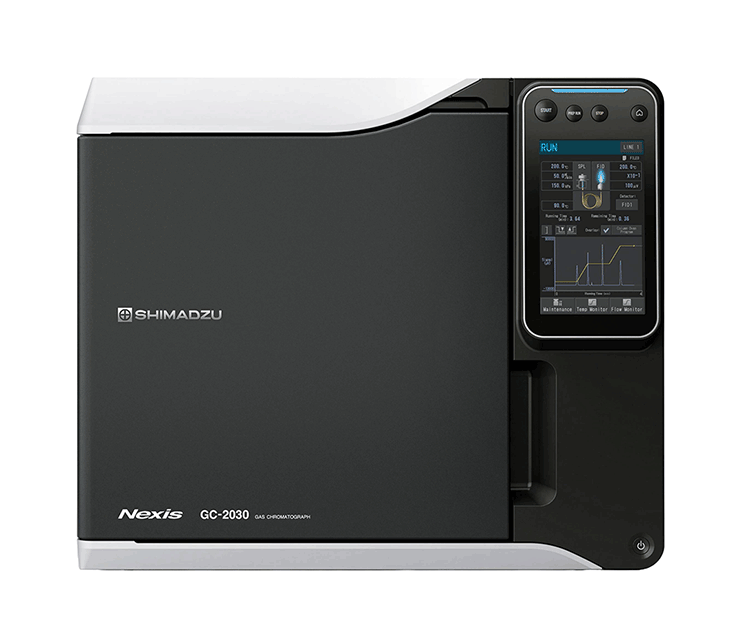
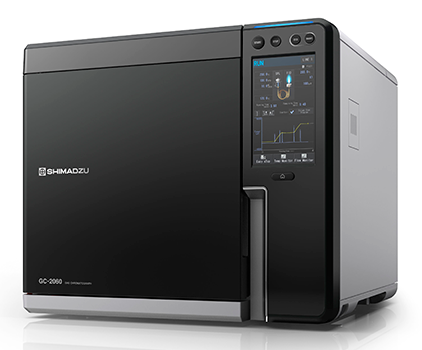
Gas chromatography (GC) is a technique used to measure the concentration of various components in a sample by using gas as the mobile phase. It plays a vital role in industries such as environmental, pharmaceutical, chemical, and food. Since the introduction of our first GC system in 1956, Shimadzu has continuously developed innovative solutions. By simplifying user interfaces and introducing tool-free maintenance technology, our GC instruments are designed with the user in mind. Now featuring the Brevis GC-2050 — compact with full capability. This powerful, space-saving system offers robust performance without compromise, ideal for laboratories where space is limited. Below you'll find a selection from our product range, from cost-effective, compact models like the Brevis GC-2050 to our flagship Nexis GC-2030, which delivers outstanding sensitivity and reproducibility for both quantitative and qualitative analyses. Talk to us, and we’ll help configure the system that best meets your needs.
Gas Chromatography – Frequently Asked Questions
What is Gas Chromatography?
Gas Chromatography (GC) is an analytical technique used to separate and analyze volatile or semi‑volatile compounds using a gaseous mobile phase and a coated capillary column.
What types of GC systems does Shimadzu offer?
Shimadzu provides a full range of GC platforms, including high‑sensitivity analytical GC systems, GC‑FID/GC‑ECD configurations, automated headspace solutions, thermal desorption options, and high‑performance GCMS models for mass‑based detection.
Which detectors can be used with GC?
Common GC detectors include FID (Flame Ionization), ECD (Electron Capture), TCD (Thermal Conductivity), FPD (Flame Photometric), and MS detectors when combined with GCMS systems.
What applications is GC used for?
GC is widely used in environmental testing, petrochemical analysis, fragrance and flavor profiling, food safety, forensic toxicology, and industrial gas purity testing.
What sample introduction methods are available?
GC supports injection techniques such as hot split/splitless injection, on‑column injection, headspace sampling, SPME (solid‑phase microextraction), purge‑and‑trap, and thermal desorption.
How do I prevent peak tailing or poor resolution?
Use clean liners, maintain injector seals, trim or replace the GC column when necessary, optimize carrier gas flow, avoid analyte overload, and ensure correct inlet temperature settings.
What maintenance does a GC system require?
Routine maintenance includes replacing inlet liners and septa, trimming the column, cleaning detectors as needed, confirming carrier gas purity, and regularly checking system leaks and flow rates.
What software is used with Shimadzu GC systems?
Shimadzu GC instruments are controlled using LabSolutions software, providing automated start‑up/shut‑down, data acquisition, chromatographic processing, compliance support, and instrument diagnostics.