


Elemental Analysis
Elemental Analysis
Elemental Analysis – Precise Determination of Elements Across Diverse Applications
Elemental Analysis is a powerful analytical approach used to identify and quantify chemical elements in liquids, solids, powders, metals, polymers, environmental samples, pharmaceuticals, food products, and advanced materials. By determining elemental composition with high accuracy and sensitivity, elemental analysis helps laboratories ensure product quality, regulatory compliance, safety, and research excellence across a wide range of industries.
Shimadzu offers a comprehensive portfolio of elemental analysis technologies, including ICP-OES, ICP-MS, Atomic Absorption Spectroscopy (AAS), Energy Dispersive X-Ray Fluorescence (EDX/XRF), and specialized software solutions. These platforms provide researchers and quality control laboratories with reliable tools for trace element analysis, routine elemental screening, contamination investigations, and advanced materials characterization.
ICP-OES – Fast Multi-Element Analysis
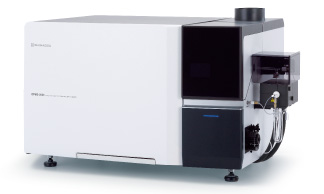
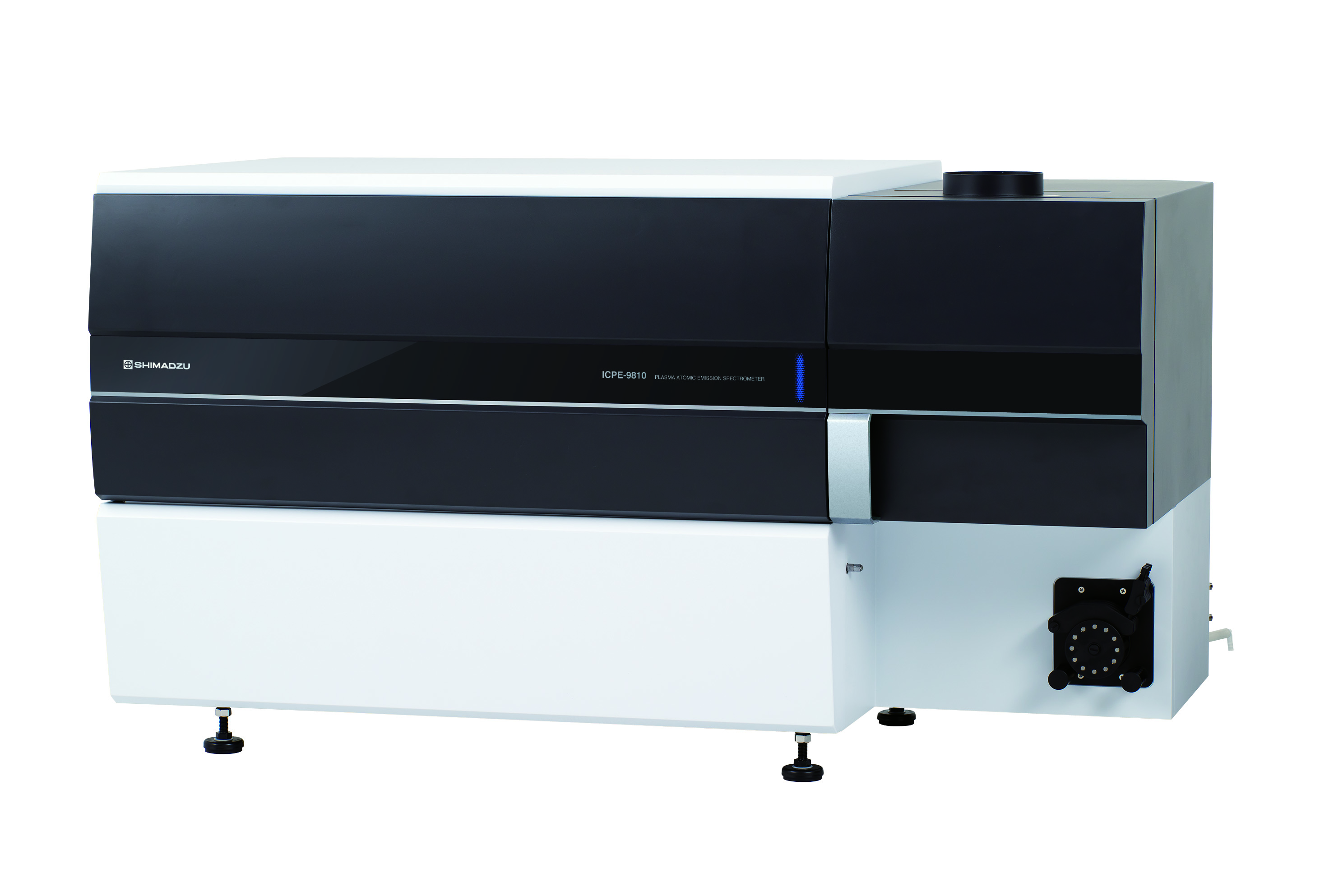
Inductively Coupled Plasma Optical Emission Spectroscopy (ICP-OES) measures characteristic light emitted by excited elements within a high-temperature plasma. The emission intensity enables both qualitative and quantitative analysis of elemental concentrations. Shimadzu’s highlights the ICPE-9800 Series, which offers high-speed simultaneous measurement capabilities with advanced CCD detection and automated switching between axial and radial plasma views for optimal sensitivity and dynamic range.
ICP-MS – Ultra-Trace Element Detection
Inductively Coupled Plasma Mass Spectrometry (ICP-MS) provides extremely sensitive elemental analysis at trace and ultra-trace levels. ICP-MS is widely used for environmental monitoring, semiconductor analysis, pharmaceutical quality control, food safety testing, and toxicology studies where very low detection limits are required. Shimadzu also supports advanced automation solutions for high-throughput elemental analysis workflows.
Atomic Absorption Spectroscopy (AAS)
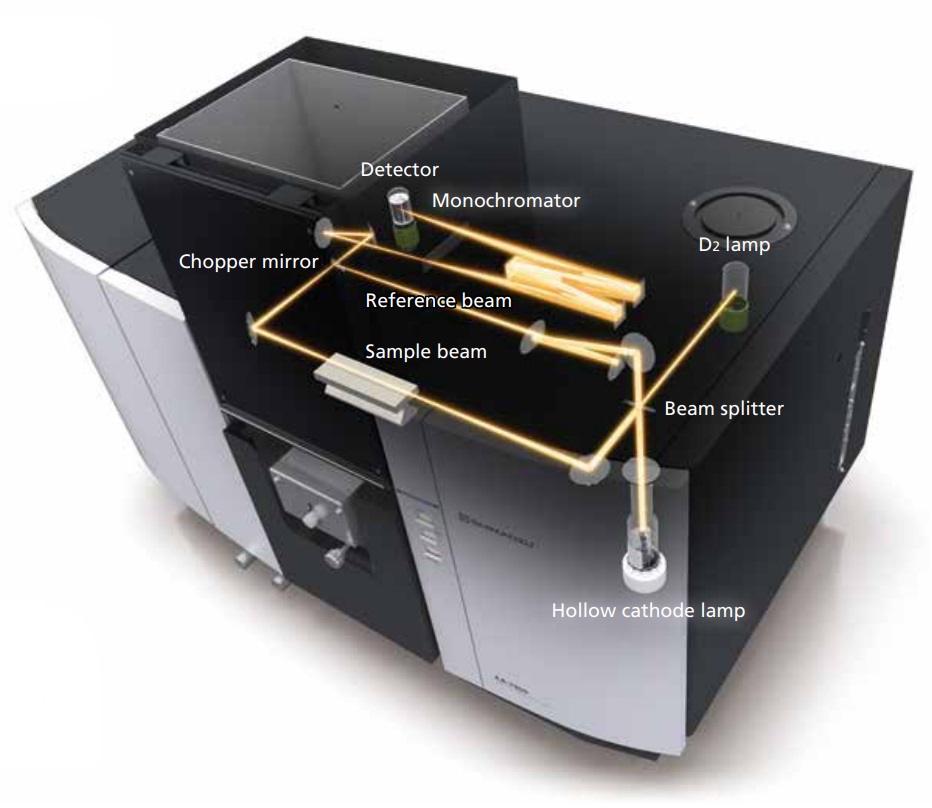
Atomic Absorption Spectroscopy (AAS) measures the absorption of element-specific wavelengths by ground-state atoms. The amount of absorbed light is directly related to elemental concentration, making AAS a reliable technique for routine elemental quantification in environmental, agricultural, food, and pharmaceutical samples.
EDX/XRF – Rapid Non-Destructive Elemental Screening
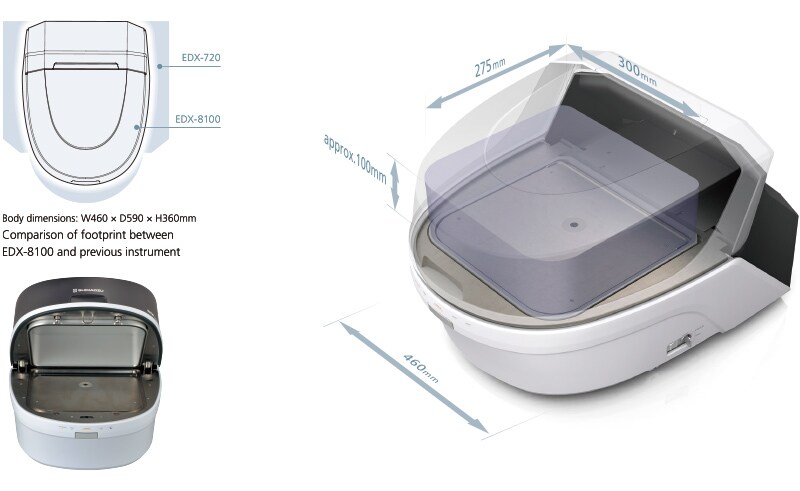
Energy Dispersive X-Ray Fluorescence (EDXRF/XRF) provides rapid, non-destructive elemental analysis for solids, powders, coatings, plastics, metals, and liquids. This technique can analyze elements ranging from sodium and carbon through uranium and is especially valuable for RoHS screening, contaminant identification, material verification, and quality control. Measurement requires minimal sample preparation, enabling fast decision-making and high sample throughput.