Liquid Chromatograph-Mass Spectrometry
Liquid Chromatograph-Mass Spectrometry
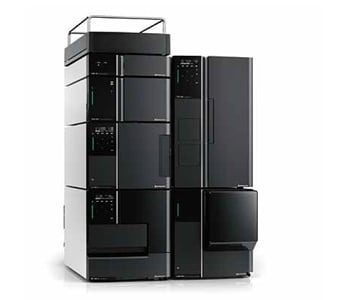
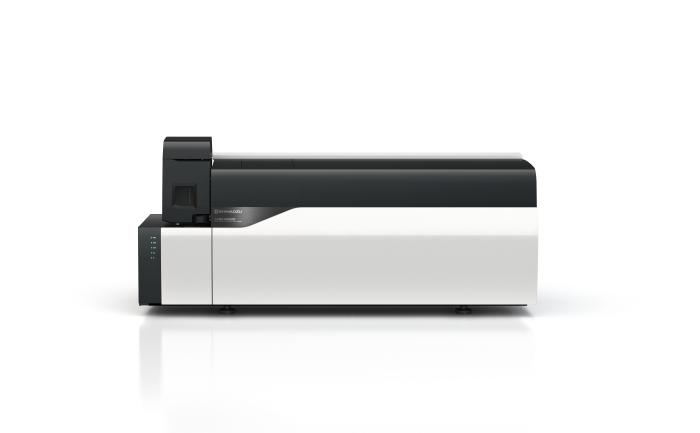
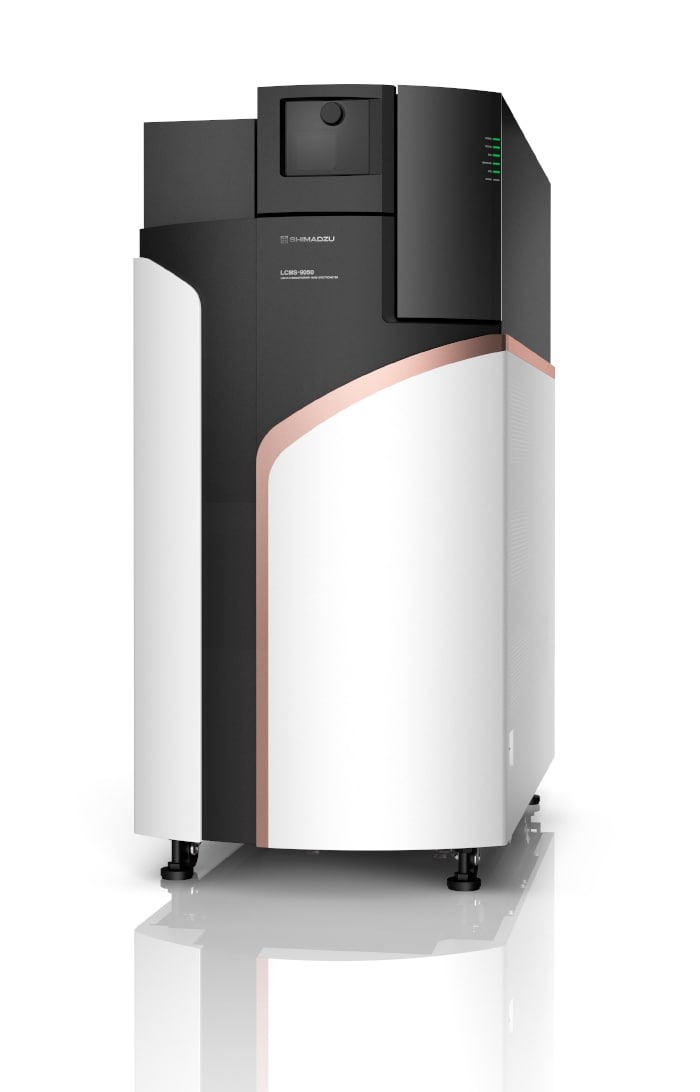
Liquid chromatography-mass spectrometry (LC-MS) is an indispensable tool for both quantitative and qualitative mass analysis across diverse fields, from pharmaceuticals and food science to environmental monitoring. This technique combines the separation capabilities of high-performance liquid chromatography (HPLC), with the analytical power of a mass spectrometer. Whether you aim to maximise throughput, achieve high sensitivity for trace compounds, or install a compact system without sacrificing workflow efficiency, Shimadzu provides world-class liquid chromatography-mass spectrometry machines and applications. Our unique automation features and intuitive software ensure a smooth analysis experience for all users. Our portfolio includes single quadrupole (SQ) LC-MS, triple quadrupole (TQ) LC-MS/MS, and high resolution quadrupole time-of-flight (Q-TOF) LC-MS/MS systems. Discover more about Shimadzu's complete range of LC-MS solutions below.
LC‑MS / LC‑MS/MS – Frequently Asked Questions
What is LC‑MS?
Liquid Chromatography Mass Spectrometry (LC‑MS) combines chromatographic separation with mass‑based detection, enabling sensitive and selective analysis of complex samples.
What is the difference between LC‑MS and LC‑MS/MS?
LC‑MS uses a single mass analyzer, while LC‑MS/MS (tandem MS) uses multiple quadrupoles for highly selective quantitation and lower detection limits.
Which LC‑MS instruments does Shimadzu offer?
Triple Quadrupole: LCMS‑8045, LCMS‑8050, LCMS‑8060NX
High‑Resolution QTOF: LCMS‑9030, LCMS‑9050
Single Quadrupole: LCMS‑2050
What ionization techniques are used?
ESI (Electrospray Ionization), APCI (Atmospheric Pressure Chemical Ionization), and Shimadzu’s DUIS™ dual‑ionization system that allows ESI + APCI in a single method.
What applications is LC‑MS used for?
Pharmaceuticals, clinical research, environmental pollutants (PFAS, pesticides), food safety contaminants, metabolomics, lipidomics, and biomolecule characterization.
What is polarity switching?
The ability to switch rapidly between positive and negative ion detection. Shimadzu systems achieve switching times as low as 5 ms.
How can I optimize sensitivity?
Use LC‑MS‑grade solvents, optimize source parameters, minimize dead volume, maintain the ion source regularly, and ensure chromatographic separation is robust.
What software is used for Shimadzu LC‑MS?
LabSolutions LCMS for instrument control, quantitation, qualitative analysis, compliance, and automated tuning/calibration.
What maintenance does LC‑MS require?
Daily spray checks, weekly ion‑source cleaning, periodic vacuum system inspections, column care, and routine mass calibration.